Low mood and depression
When Low Mood Takes Over
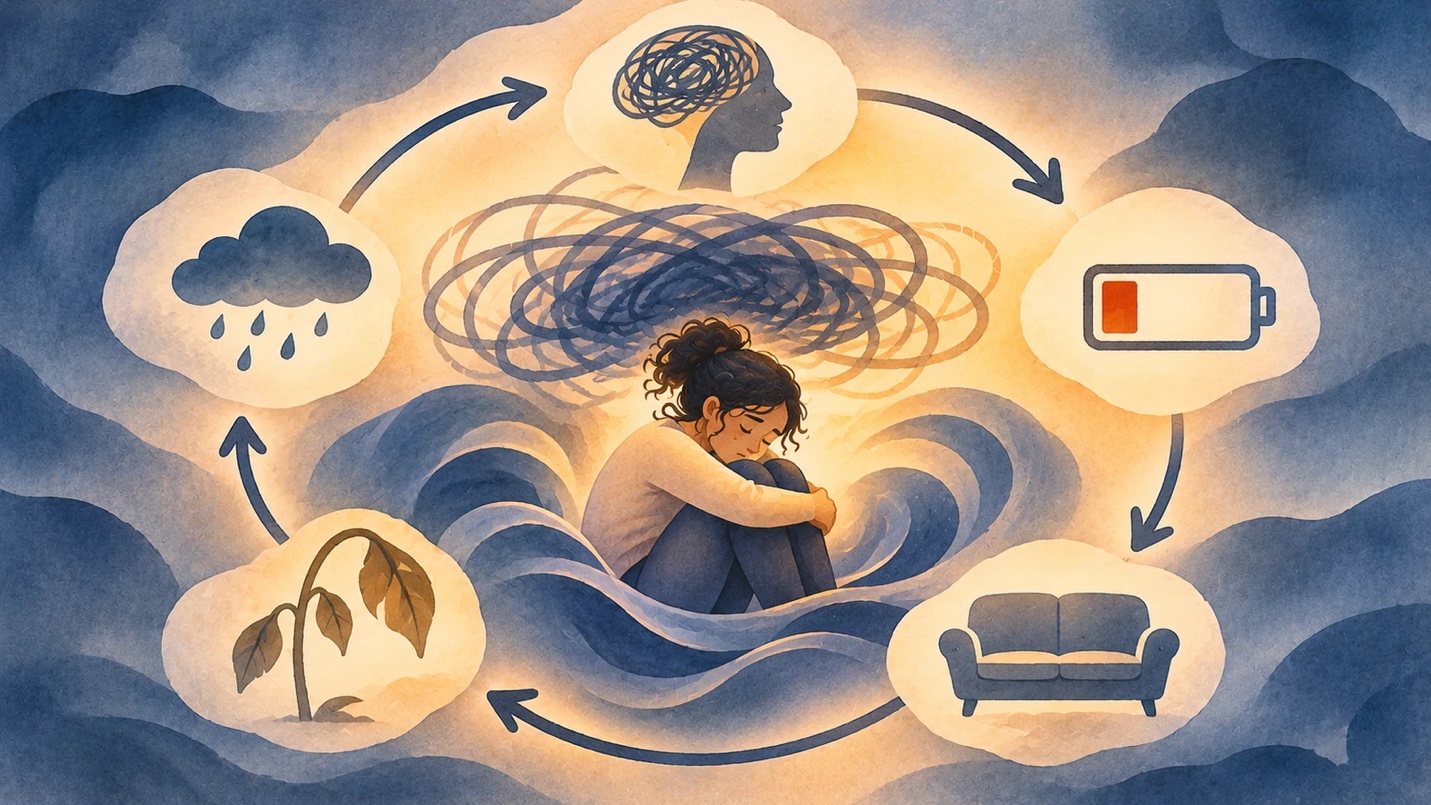
We all experience periods of sadness, disappointment, or low motivation, particularly during stressful times or difficult life experiences. However, when these feelings persist, they can begin to affect how we see ourselves, connect with others, and manage everyday life. Depression is more than simply feeling sad. It can influence our energy, motivation, concentration, relationships, and sense of hope for the future. Activities that once felt meaningful or enjoyable may become less rewarding, and even everyday responsibilities can start to feel overwhelming. While these experiences may be associated with depression, they can also occur for different reasons and do not necessarily indicate a mental health diagnosis.
Depression is complex, and there is rarely a single explanation for why someone experiences it. Our emotional well-being is influenced by a combination of personal, biological, psychological, and social factors. Life experiences, family history, physical health, personality, coping patterns, and long-standing beliefs can all play a role. Ongoing stress, major life changes, difficult relationships, and limited social support may also contribute to feelings of low mood or emotional distress.
When we're feeling low, our thoughts can become more critical, discouraging, or focused on what might go wrong. We may find ourselves questioning our abilities, assuming others don't care, or struggling to imagine that things could improve. These thoughts can feel especially convincing when we're already struggling emotionally. We may also replay past experiences, dwell on mistakes, or imagine negative outcomes. Over time, this pattern of repetitive thinking and self-doubt can make it harder to recognize possibilities; we may be more likely to interpret situations negatively, which can further affect how we feel about ourselves and our circumstances.
How Can Therapy Help?
Psychotherapy can help individuals recognize patterns of thinking and behaviour that may contribute to or reinforce depression. This may involve identifying negative self-talk, challenging unhelpful beliefs, and developing a more balanced and compassionate perspective. Therapy can also help individuals develop practical strategies to manage difficult emotions, address avoidance and withdrawal, and navigate everyday challenges. Over time, these tools may help interrupt cycles of depression and build healthier ways of responding to life's difficulties.
Book a free consultation to learn more about how therapy can support your emotional well-being and help you take meaningful steps forward.
Disclaimer: This article is intended for general information and educational purposes only. It is not a substitute for professional mental health care, therapy, or an individualized assessment or diagnosis. If you are experiencing emotional distress or challenges with your mental health, consider reaching out to a qualified mental health professional for support.